

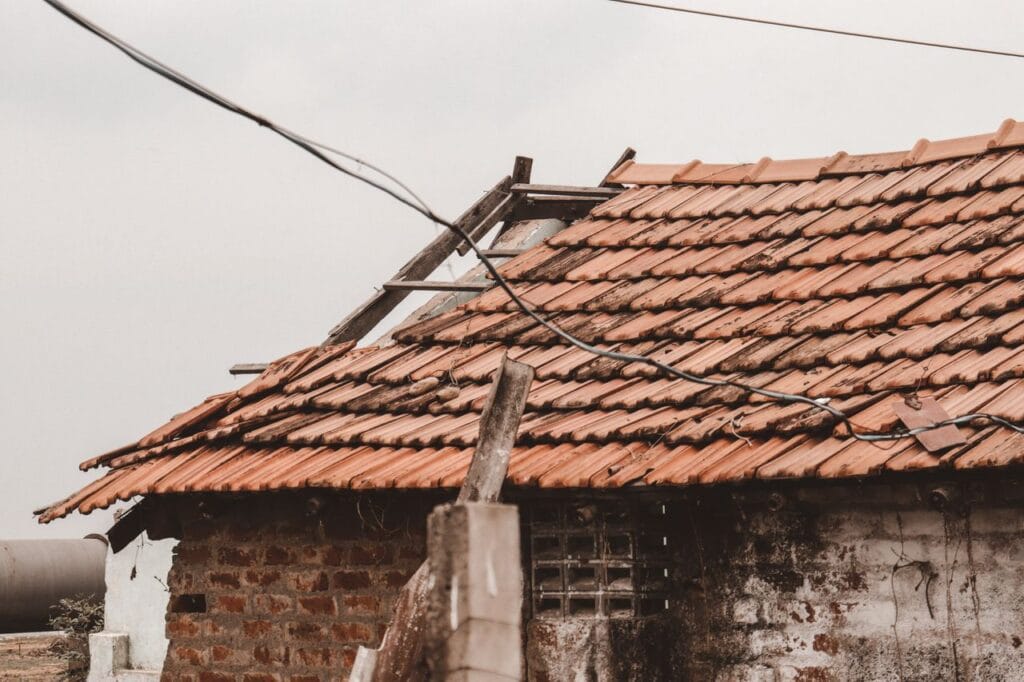
After a hurricane, your roof is the first line of defense against severe weather. The powerful winds and heavy rain can cause serious storm damage, compromising your home’s safety. Understanding how to spot potential issues with your roofing materials is the first step toward protecting your property. This guide will walk you through everything you need to know about identifying and addressing roof damage after a storm, ensuring you can take the right actions quickly and confidently.
Understanding Roof Storm Damage After a Hurricane
When a hurricane strikes, your roof bears the brunt of the storm. The high winds and flying debris can lead to various forms of roof damage, from minor issues to major structural problems. If left unaddressed, even small problems can result in extensive water damage inside your home.
So, how can I tell if my roof has storm damage after severe weather? Look for signs of damage like missing shingles, visible debris, or water stains on your ceilings. A professional inspection is the best way to identify hidden issues and understand the full scope of the damage. In the next sections, we’ll explore why roofs are so susceptible and what specific warning signs to watch for.
Why Roofs Are Vulnerable During Hurricanes
Your roof is designed to be tough, but the sheer force of a hurricane can overwhelm even the strongest roofing materials. Strong winds create pressure differences that can lift and tear shingles right off, exposing the underlying roof deck. This leaves your home open to water intrusion and further structural damage.
The type of roofing material you have can also affect its vulnerability. While some materials are more resilient, no roof is completely immune to the power of severe storms. Debris carried by the wind, such as tree branches, can act like projectiles, causing direct impact damage that punctures your roof.
It’s also important to consider your location. Are there differences in how to handle roof storm damage depending on where I live? Yes, homes in coastal areas like Daytona Beach face unique challenges from salt spray and sustained high winds, which can accelerate wear and tear. This makes regular inspections and prompt repairs even more critical for homeowners in these regions.
Common Warning Signs of Storm Damage
After a storm passes, it’s vital to know what to look for. Some signs of roof damage are obvious, while others can be more subtle. Being able to spot this visible damage early can save you from more significant problems down the line, such as mold growth or rotting structural components.
What are signs that my roof storm damage needs urgent professional repair? Pay close attention to any new leaks, large sections of missing shingles, or sagging areas on your roof. These are clear indicators that immediate action is needed. Other warning signs include:
- Missing shingles: Empty patches on your roof where shingles used to be.
- Water stains: Discolored spots on your interior ceilings or walls.
- Granule loss: An accumulation of asphalt shingle granules in your gutters or downspouts.
If you spot any of these issues, it signifies that your roof’s integrity has been compromised. Don’t wait for the problem to get worse; it’s time to call in a professional for a thorough assessment.
Types of Roof Storm Damage Homeowners Should Know
Understanding the different types of damage can help you identify problems more effectively. Roof storm damage isn’t just about missing shingles; it can manifest in several ways, each posing a unique threat to your home. From issues caused by high winds to the effects of heavy rain, knowing what to look for is key.
What are the most common types of roof storm damage homeowners should look for? The main culprits are wind, water, and impact from debris. For example, wind can lift asphalt shingles, while heavy rain can lead to water intrusion if there are any existing weak spots. We’ll explore these common types of damage in more detail.
Wind Damage and Missing Shingles
High winds are a primary cause of roof problems during a hurricane. Winds over 50 mph can get underneath the edges of your shingles, lifting them up and breaking their seals. Once a shingle is lifted, it’s more likely to be torn off completely, leaving your roof’s surface exposed.
You might notice missing shingles on the ground around your home or see obvious bare patches on your roof. Even shingles that haven’t been completely removed can be a problem. Look for loose shingles that are curled or peeling back, as they can no longer protect your home from rain.
This type of wind damage creates a direct path for water to enter your home. It compromises the weatherproof barrier of your roof, making it essential to address these issues promptly to prevent leaks and more extensive damage.
Water Leaks and Interior Water Stains
One of the most concerning signs of roof damage is evidence of water leaks. You might see brown or yellow water stains appearing on your ceilings or walls. These stains are a clear indication that water is seeping through your roof and causing interior damage.
These leaks often occur in vulnerable areas like roof valleys, which are the channels that direct water off your roof. If flashing around chimneys or vents is damaged, water can also get in through these points. Sometimes, the leak might not be directly above the stain, as water can travel along rafters before dripping down.
Don’t ignore musty odors in your attic or upper floors, as they can also signal hidden water damage. Addressing water intrusion quickly is critical to prevent mold growth, rotting wood, and other serious structural issues that can be costly to repair.
Impact from Debris and Fallen Branches
During a powerful storm, winds can turn tree limbs and other debris into dangerous projectiles. When these objects strike your roof, they can cause significant impact damage. You might find fallen branches resting on your roof or notice clear impact marks on your shingles.
This type of roof damage can range from small dents and cracks to large punctures that go straight through your roofing material and deck. Even smaller debris can scrape away the protective granules on your shingles, reducing their lifespan and effectiveness.
The biggest concern with impact damage is the threat to your roof’s structural integrity. A heavy tree limb can crack rafters or cause sections of the roof to sag. If you see any signs of impact, it’s crucial to have a professional inspect the roof to ensure there isn’t hidden structural damage.
Beginner’s Guide: What to Do If Your Roof Suffers Storm Damage
Discovering storm damage on your roof can be stressful, but knowing the right next steps can make the process much smoother. The key is to act quickly but safely. Your immediate actions can help prevent the damage from getting worse while you arrange for professional help.
So, what steps should I take immediately after noticing storm damage on my roof? Your priorities should be safety, documentation, and temporary protection. Hiring a qualified roofing contractor for a thorough roof inspection is also essential. Let’s look at what you’ll need and the step-by-step process to follow.
What You’ll Need to Get Started (Checklist and Supplies)
Before you begin assessing the damage, it’s helpful to gather a few essential supplies. Having the right tools on hand will make the process safer and more efficient. Your primary goal is to document the damage and take temporary measures to protect your home from further harm. A basic roof storm damage checklist can help you stay organized.
What should I include in a roof storm damage checklist after a storm hits? Start by gathering items for both safety and documentation. You don’t need to be a roofing expert, but having these supplies ready can make a big difference. Here is a list of what you might need:
- Safety gear: Sturdy, non-slip shoes and gloves.
- Documentation tools: A camera or smartphone to take photos and videos.
- Binoculars: To safely inspect your roof from the ground.
- Tarp and weights: For temporarily covering a damaged roof area.
- Notebook and pen: To jot down notes about the damage you observe.
With these items, you’ll be prepared to safely inspect your property, document everything for your insurance claim, and protect your home until a professional can arrive.
Step-by-Step Guide to Handling Roof Storm Damage
Navigating the aftermath of roof storm damage can feel overwhelming, but following a clear set of steps will help you manage the situation effectively. From the initial roof inspection to filing your insurance claim, a structured approach ensures you don’t miss any crucial actions. This guide breaks down the process into manageable steps.
What steps should I take immediately after noticing storm damage on my roof? The process involves inspecting the damage, documenting it thoroughly, making temporary repairs, and contacting a professional. Following these next steps in order will help you protect your home and streamline the claims process with your insurance company.
Here is a simple table outlining the key steps to take:
| Step Number | Action to Take | Purpose |
| Step 1 | Inspect Your Roof Safely | To identify visible damage from the ground. |
| Step 2 | Document the Damage | To create a record for your insurance claim. |
| Step 3 | Perform Temporary Repairs | To prevent further water intrusion and damage. |
| Step 4 | Contact a Roofing Contractor | To get a professional assessment and repair estimate. |
Step 1: Inspect Your Roof Safely
Your first priority after a storm is to assess the situation safely. Start by walking around your property and looking for any visible damage from the ground. Use binoculars to get a closer look at your roof without having to climb a ladder. This is the safest way to spot issues like missing shingles or debris on the roof.
Never walk on a damaged roof, especially if it appears wet or you suspect structural issues. A compromised roof deck can be unstable and dangerous. Your safety is more important than getting a close-up view of the damage. Leave the hands-on inspection to professionals who have the right safety gear and training.
This initial ground-level inspection will give you a good idea of the problems you’re facing. Look for anything out of the ordinary, and remember that even small issues can be signs of bigger problems. Regular annual roof inspections can also help you identify pre-existing weak spots that might be worse after a storm.
Step 2: Document the Damage for Insurance
Once you’ve identified damage, the next critical step is to document everything thoroughly for your insurance claim. Take clear photos and videos of all the problem areas. Capture wide shots to show the overall extent of the damage, as well as close-ups of specific issues like missing shingles or impact marks.
Does homeowners insurance usually cover roof storm damage and how do I start a claim? Yes, most homeowners insurance policies cover damage from events like hurricanes. To start a claim, you’ll need to contact your insurance company and provide them with the evidence you’ve collected. Date-stamped photos are especially helpful for the claims process.
Make sure to document damage to other parts of your property too, such as gutters, siding, and windows. The more detailed your documentation, the smoother your insurance claim is likely to be. This evidence helps the insurance adjuster understand the full scope of the damaged roof and approve the necessary repairs.
Step 3: Temporary Protection and Emergency Repairs
While you wait for a professional roofing contractor, it’s important to take temporary measures to prevent further damage. If your roof has been punctured or has large areas of missing shingles, water can get in and cause serious problems inside your home. Taking quick action can help minimize water intrusion.
How do I temporarily protect my roof if it’s damaged in a storm? The most common method is to cover the damaged area with a waterproof tarp. Secure it with weights or boards to keep it in place, but avoid nailing it directly into the roof, as this can cause more harm. The goal is to create a temporary barrier against rain. These temporary repairs are a crucial stopgap.
Here are a few tips for emergency protection:
- Cover holes or exposed areas with heavy-duty tarps.
- Move furniture and valuables away from any interior leaks.
- Place buckets under active drips to catch water.
These emergency services are not a permanent fix, but they will help protect your home’s interior until professional repairs can be made.
Step 4: Contact a Roofing Professional for Assessment
After you’ve taken initial steps to document and temporarily protect your home, it’s time to call in an expert. Who should I contact to inspect my roof for storm damage? You should always contact a licensed roofing contractor for a professional inspection. They have the expertise to safely assess all types of storm damage, including issues you might have missed.
A professional will conduct a thorough examination of your roof, attic, and interior to determine the full extent of the damage. They can provide you with a detailed report and a written estimate for the repair costs. Many reputable contractors offer free inspections, which can be invaluable when you’re dealing with the stress of storm damage.
Choosing a local, licensed roofing contractor is important. They will be familiar with local building codes and experienced in handling storm damage common to your area. Their assessment will be a critical part of your insurance claim and will ensure that your roof is repaired correctly and safely.
Daytona Beach Roofing: Local Experts in Storm Damage Repair
When your home is hit by a hurricane, you need a roofing contractor you can trust. Daytona Beach Roofing specializes in storm damage repair and is dedicated to helping homeowners in the Daytona Beach area recover quickly. Our team understands the unique challenges that local weather poses, and we have the experience to handle everything from minor repairs to a full roof replacement. We provide prompt and reliable emergency services to protect your home from further damage.
Are there differences in how to handle roof storm damage depending on where I live? Yes, and as a local company, we know exactly what your roof needs to withstand Florida’s climate. We guide you through every step, from the initial inspection to working with your insurance company, ensuring a smooth and stress-free process. If you need an experienced and reputable roofing contractor to restore your home and your peace of mind, contact Daytona Beach Roofing today.
Conclusion
In conclusion, navigating roof storm damage after a hurricane can be daunting for any homeowner. Understanding the signs of damage and knowing the steps to take can help you protect your home and ensure its safety. Remember to inspect your roof carefully, document any damage, and seek professional assistance when needed. Local experts like Daytona Beach Roofing are here to support you through the repair process, providing the expertise and services necessary to restore your roof effectively. Don’t hesitate to reach out if you need assistance—your home deserves the best care possible!
Frequently Asked Questions
How do I know if my roof needs urgent professional repairs?
Your roof needs urgent repairs if you see significant visible damage, such as large holes, multiple missing shingles, or sagging. Active water leaks inside your home are another clear sign of urgent roof damage. If you notice any of these issues, contact a roofing contractor for a professional inspection immediately.
Does homeowners insurance cover roof storm damage?
Yes, most homeowners insurance policies provide insurance coverage for a damaged roof caused by storms. To start the claims process, contact your insurance company right away to report the damage. You will need to provide documentation, such as photos and a professional inspection report, to support your claim.
What should I include in a roof storm damage checklist?
Your checklist for a damaged roof should include inspecting for missing shingles, checking for water leaks on ceilings, looking for debris on the roof, and examining gutters for granules. Also, remember to take photos of all damage and note the date of the storm for your records before your roof inspection.
What are the risks if I ignore minor storm roof damage?
Ignoring minor damage can lead to costly repairs down the road. A small leak can cause mold growth, rot the roof deck, and result in significant structural damage. What seems like a minor issue can quickly escalate, so it’s always best to address any damage promptly to prevent further damage.
